
Quick answer: a chatbot for real estate is worth having when it replies to every enquiry within seconds, asks the four questions that decide priority (budget, area, timing, financing status), books a viewing from real availability, and hands the lead to an agent with the whole conversation attached. It should answer listing questions only from facts you gave it, and it must never sort or steer people by protected characteristics.
Key takeaways (October 2026)
- NAR's 2025 Profile of Home Buyers and Sellers reports that 88% of buyers and 91% of sellers used an agent or broker, so the contest is between agents, and the first useful reply often decides who gets the lead.
- Real estate AI assistants priced on the vendors' pages as of October 2026: Real Geeks Geek AI Text at $49 a month (included with any lead package, on a $399 a month platform), Structurely usage from $0.02 per SMS with the platform fee by quote; Ylopo and Lofty show no prices.
- On WhatsApp, Meta bills per delivered message since 1 July 2025, and from 1 October 2026 each business number gets 1,000 free service messages a month.
- On Instagram and Messenger, a bot can reply within 24 hours of a person's message, or up to 7 days after they write following a click-to-Instagram or click-to-Messenger ad.
- In the US, the Fair Housing Act of 1968 protects seven characteristics; a chatbot that asks about or filters by any of them creates risk for the agent who runs it.
What should a chatbot for real estate actually do?
A real estate chatbot has five jobs: reply to every enquiry fast, including at night and on weekends; qualify the lead with a few short questions; answer factual listing questions; book viewings or valuation visits from real availability; and pass the lead to the right agent with everything attached. Anything beyond that, such as advice on price or neighbourhood, belongs to a person.
Real estate is a business of short attention spans and long decisions. A buyer scrolling a portal at 11pm sends enquiries to three agents in five minutes. A homeowner who just saw a neighbour's sale price fills in a valuation form during a lunch break. Neither will wait until Monday. The agent who answers first, with something useful, earns the next conversation.
Here is how each job looks in a working setup.
- First reply in seconds. Confirm the enquiry, name the property they asked about, and ask one question. "Thanks, I can help with the two-bedroom you asked about. Are you looking to buy or rent?" beats "Thank you for your message, an agent will contact you shortly."
- Qualify. Budget range, areas, timing and financing for buyers; property, timeline and reason for sellers; move-in date and household size limits only where the law allows asking. More on the exact questions below.
- Answer listing questions. Price, bedrooms, parking, service charges, pet policy for rentals, whether a viewing slot is open. Only from the facts on the listing record, never improvised.
- Book. Offer real times, confirm the address and access notes, send a reminder.
- Hand over. When the lead asks for a person, raises an offer, mentions a legal or mortgage question, or the bot is not sure, a named agent takes over and sees everything said so far.
What the bot should not do is just as clear. It should not give an opinion on value, negotiate, describe who lives in an area, promise that a property is still available when the record says otherwise, or keep messaging someone who stopped replying. It should also say it is automated: Meta's messaging policy expects bots to disclose that where the law requires it and recommends doing so at the start of a conversation.
Why after-hours portal and ad enquiries need a bot
Enquiries from property portals, listing ads and social posts arrive when buyers browse, which is mostly evenings and weekends, not office hours. A chatbot covers that gap: it replies, qualifies and books while the agent is at a viewing or asleep, so the lead is warm, not cold, when a person picks it up next morning.
Think about the shape of a typical week for a small agency. Weekday daytime goes to viewings, valuations, calls with solicitors and lenders, and paperwork. The enquiries, though, cluster around commutes, lunch breaks and late evenings. A portal enquiry that lands at 9pm on a Friday and gets its first human answer on Monday morning has had a whole weekend to find another agent.
The same NAR report shows how the buyer pool has shifted: first-time buyers fell to 21% of purchases, a record low, with a median age of 40, while repeat buyers had a median age of 62. Older, repeat buyers often already know what they want and expect a direct, quick reply with specifics, not a form. First-time buyers ask more questions and need more guidance on financing. A good real estate chatbot handles both: short paths for people who know their numbers, and gentle help for people who do not.
There are three common sources of after-hours enquiries, and each needs a slightly different first message.
- Portal enquiries. The buyer already picked a property, so name it in the first reply and offer a viewing quickly. Check how your portal sends enquiries (usually an email or a lead feed) and make sure they reach the same place your other leads do.
- Listing ads and lead forms. The person filled in a form, often on a phone, and may not remember which ad. Restate what they asked about, then qualify.
- Social posts and DMs. Someone commented "price?" on a listing post or replied to a story. They are early, so answer the question, then ask one qualifying question rather than four.
If you also run click-to-WhatsApp ads, Meta's pricing page notes that a conversation started from such an ad opened in the Android or iOS app, answered in time, opens a window of up to 7 days in which messages are free. That makes a fast bot reply on ad leads even more valuable.
The four questions that qualify a real estate lead
Four answers sort most buyer leads: the budget range, the areas they are considering, when they want to move, and where their financing stands. With those, an agent knows in five seconds whether this lead gets a call today, a viewing invitation, or a slower nurture, and none of them asks the person anything personal beyond the purchase itself.
The general principles of good qualifying questions (ask few, ask in ranges, write each answer to a field) are covered in our guide to a WhatsApp lead qualification bot. Here is how they translate to property.
1. Budget range. Offer brackets that match your stock, not a free-text box. Four brackets are usually enough, and the top one should be open-ended. The point is to match them to listings, not to judge them.
2. Area. Let them tap the districts or neighbourhoods you cover, with "somewhere else" as a final option. "Somewhere else" is not a rejection; it is a routing signal to a partner agent or a polite note that you do not cover that area.
3. Timing. "Ready now", "within three months", "within a year", "just looking". This single answer predicts more about the next step than any other. A "ready now" buyer with an approved mortgage gets a call within the hour; "just looking" gets new listings by message once a week.
4. Financing status. "Cash buyer", "mortgage approved in principle", "speaking to a lender", "not started yet". Ask it as a status, never as a question about income, employment or credit history, which the bot has no reason to collect. For a "not started" answer, the bot can offer to connect them with the agency's lender partner if you have one, and let the person decide.
For sellers and landlords, swap the set: the property address or area, the type and size, when they want to sell or let, and whether they want a valuation visit. For renters, use budget, area, move-in date and whether they have pets where the building has a pet policy.
A few rules keep this list short and fair:
- Ask one question per message, with tappable answers. Three to four taps is the ceiling before people drop off.
- Answer before you ask. If the person asked "is parking included?", answer it first, then ask one question.
- Never ask what you already have. If the lead came from a portal enquiry on a named property, the area and rough budget are already known.
- Never ask about the household beyond what the deal needs. No questions about children, religion, nationality, disability or marital status. More on why below.
Here is an illustrative exchange (the property and names are invented):
Buyer: Hi, is the 3-bed on the listing still available? Bot: Hi, this is the automated assistant for the agency. Yes, it is still on the market. Viewings are open this week. Are you buying with cash or a mortgage? Buyer: Mortgage, approved in principle. Bot: Thanks. When are you hoping to move: within three months, within a year, or not sure yet? Buyer: Within three months. Bot: I have Thursday at 5:30pm or Saturday at 11am for a viewing. Which suits you?
Three questions, one booking, and the agent receives a lead tagged with property, financing status, timing and a confirmed slot.
Booking viewings from one Booking list
A chatbot books viewings well when it offers real open slots, not a promise to call back. The bot should read availability from one place, show two or three times, confirm the address and access details, add the visit to the agent's calendar, and send a reminder before the viewing so fewer people forget.
Most viewing problems come from availability living in more than one place: a paper diary, a phone calendar, a portal booking widget, the seller's preferences in an email. A bot that reads only one of those will double-book. Before you automate viewings, decide where the truth lives, then point the bot at it.
A sensible setup for a small agency:
- One list of viewing slots per listing or per agent, with the times each property can be shown.
- Buffers between viewings at different addresses, so the agent can travel.
- Confirmation in the chat with the address, the meeting point and anything the buyer needs (ID, proof of funds for second viewings, if that is your policy for everyone).
- A reminder the day before and a short one an hour before.
- Rebooking in the same chat when someone cannot make it, rather than a new enquiry.
Open houses work the same way, with a capacity per slot rather than one person. Valuation visits for sellers follow the same pattern with a longer slot and a different agent.
Answering listing questions without wrong answers
A real estate chatbot should answer listing questions only from the listing record: price, size, rooms, parking, service charges, availability date and viewing times. When the record does not have the answer, the bot says so and passes the question to an agent. A confident wrong answer about a property costs more than a slow right one.
AI chatbots are good at language and dangerous with facts they were not given. Ask one about the age of the boiler or the date the service charge was last reviewed, and it may produce a plausible answer that nobody wrote down. In property, that is a complaint at best.
Three habits keep answers accurate:
- Keep a short facts block per listing that the bot reads: the headline details, what is included, viewing rules, and a line of things it must never say (for example, any comment on the likelihood of an offer being accepted).
- Send the brochure rather than paraphrase it. For detailed questions, the bot can send the listing brochure or floor plan file and point to the relevant page.
- Route anything legal, financial or structural to a person. Lease terms, tenure, survey findings, planning questions and anything about the seller's circumstances go to the agent, with the question saved on the contact.
Want to see it in action?
See Zoye catch a new lead, answer on WhatsApp and set up the follow-up, all from one message.
See How It WorksFair housing: where a real estate chatbot must stop
A real estate chatbot must never ask about, filter by or comment on protected characteristics, and must not steer people toward or away from areas based on who lives there. In the US, the Fair Housing Act protects race, color, religion, sex, national origin, familial status and disability; many other countries have similar rules. This is general information, not legal advice.
The US Department of Justice describes the Fair Housing Act, enacted in 1968, as covering discrimination because of race or color, religion, sex, national origin, familial status and disability, and gives "steering homeseekers to certain areas based on race" as one form of disguised discrimination. Other countries, states and cities add further protected characteristics, so the right list depends on where you work.
Chatbots create risk in a few specific ways:
- Questions that should never be asked. "Do you have children?", "Where are you from?", "What is your religion?" have no place in a qualifying flow. If a household-size limit applies to a rental, ask only what the rules require, in the way your local rules allow.
- Neighbourhood answers. When a buyer asks "is this a good area for families?" or "what kind of people live there?", a human might give an opinion; a bot should not. Point them to objective sources such as public crime statistics, school information and transport maps, and let them decide.
- Routing based on inferred traits. A bot that sends certain leads to certain listings based on a name, a language or a photo is steering, even if nobody intended it. Route on what the person said they want: budget, area, timing, size.
- Ad targeting and follow-up lists. If you build audiences from chat data, build them from stated preferences and stages only.
In practice, write the bot's instructions with an explicit line: never ask about or act on protected characteristics, never describe who lives in an area, hand over any such question to an agent. Then read a sample of transcripts every week. Have the qualifying questions and the hand-over wording checked by someone qualified in your market before you switch the bot on.
Channel rules for WhatsApp, Instagram and Facebook
Every messaging channel has its own rules, and a real estate bot has to respect them. On WhatsApp you can reply freely within 24 hours of the person's last message and need approved templates after that. On Instagram and Messenger you get a 24-hour window, longer after a click-to-message ad, and no cold outreach to people who never engaged.
WhatsApp. A bot needs the official WhatsApp Business Platform; the WhatsApp Business app offers greeting and away messages but no real chatbot. As of October 2026, from Meta's developer documentation:
- Meta bills per delivered message by category and recipient country since 1 July 2025. Since 1 October 2026, each business number gets 1,000 free service messages a month, and utility templates sent inside an open service window are charged again.
- Outside the 24-hour window after the customer's last message, only pre-approved templates can be sent. A "new listing that matches your search" message to a buyer who went quiet two weeks ago needs a template.
- Since 15 January 2026, general-purpose AI assistants are not allowed on the Platform; business-specific AI that serves your own customers (support, bookings, sales, qualification) is.
Meta's rate card lists per-message prices by country; check it for your market. Our WhatsApp automations page shows how the welcome message, qualifying bot and broadcasts work in Zoye.
Instagram and Facebook. Meta's Messenger Platform policy, as of October 2026: a bot can reply within 24 hours of the person's message; after a first message that follows a click-to-Messenger or click-to-Instagram ad, the window can last up to 7 days. A comment on a listing post can get one private reply, sent within 7 days of the comment. Instagram automation needs a Business or Creator account linked to a Facebook Page through an approved Meta app; unofficial bots that drive the app risk action blocks.
SMS. Many US real estate assistants work mainly by text message. Consent and texting rules differ by country and sometimes by state, so check them with your provider before switching on outbound texts.
6 real estate chatbot tools compared
The six tools below cover the realistic options for an agent or a small team: an AI operator built around messaging, three real estate lead platforms with built-in AI assistants, a voice-and-text AI ISA, and a general website chatbot. Each price is from the vendor's own pricing page as of October 2026; where a vendor hides it, we say so.
1. Zoye - for agents whose leads write on WhatsApp, Instagram and Facebook
Zoye is not an IDX website, a portal or a lead-generation service, and it does not run ads. If you want a branded property search site with buyer leads bought for you, one of the platforms below is closer.
Zoye is an AI Business Operator: one workspace where the CRM, deals, tasks, calendar, documents, invoices, reports, workflow automations, WhatsApp automations, Facebook and Instagram, email tracking and the AI Notetaker link to each other, with an AI that operates them. For an agency, that means the enquiry, the qualifying answers, the viewing, the reminder and the follow-up task all sit on the same contact and deal.
On WhatsApp, Zoye runs on the official WhatsApp Business Platform and holds the conversations with your leads there; connecting your own business WhatsApp number is coming soon. The new-lead message has a switch per source (ads, forms, website, API, manual) and sends one message per person. The qualifying bot writes each answer (budget, area, timing, financing status) straight into contact fields, so you can sort the pipeline by them. Viewing times are offered in the chat from one Booking list, with reminders sent automatically, and a person takes over with the whole chat on the lead's card whenever the bot should not answer. All six WhatsApp automations are off until you switch them on, and each asks you to confirm before it sends.
On Instagram and Facebook, one Page connection covers both. A comment on a listing post can get a public reply plus a private DM with the details, DMs and story replies get an immediate answer with buttons, a brochure file or a reply in your voice, and lead-ad form submissions become contacts with the campaign and ad name saved. Chats is one inbox for Instagram and Facebook messages and comments plus the WhatsApp conversations with your leads, with assignment, team notes and quick replies.
You do not draw flows. Describe what should happen, for example "when a buyer says ready now and mortgage approved, assign them to the listing agent and create a call task for today", and Zoye builds the rule, shows it to you, and waits for your approval. Every run is logged and reversible, and if Meta rejects a message you are told why. For the wider CRM side of an agency, see our guide to a CRM for real estate agents.
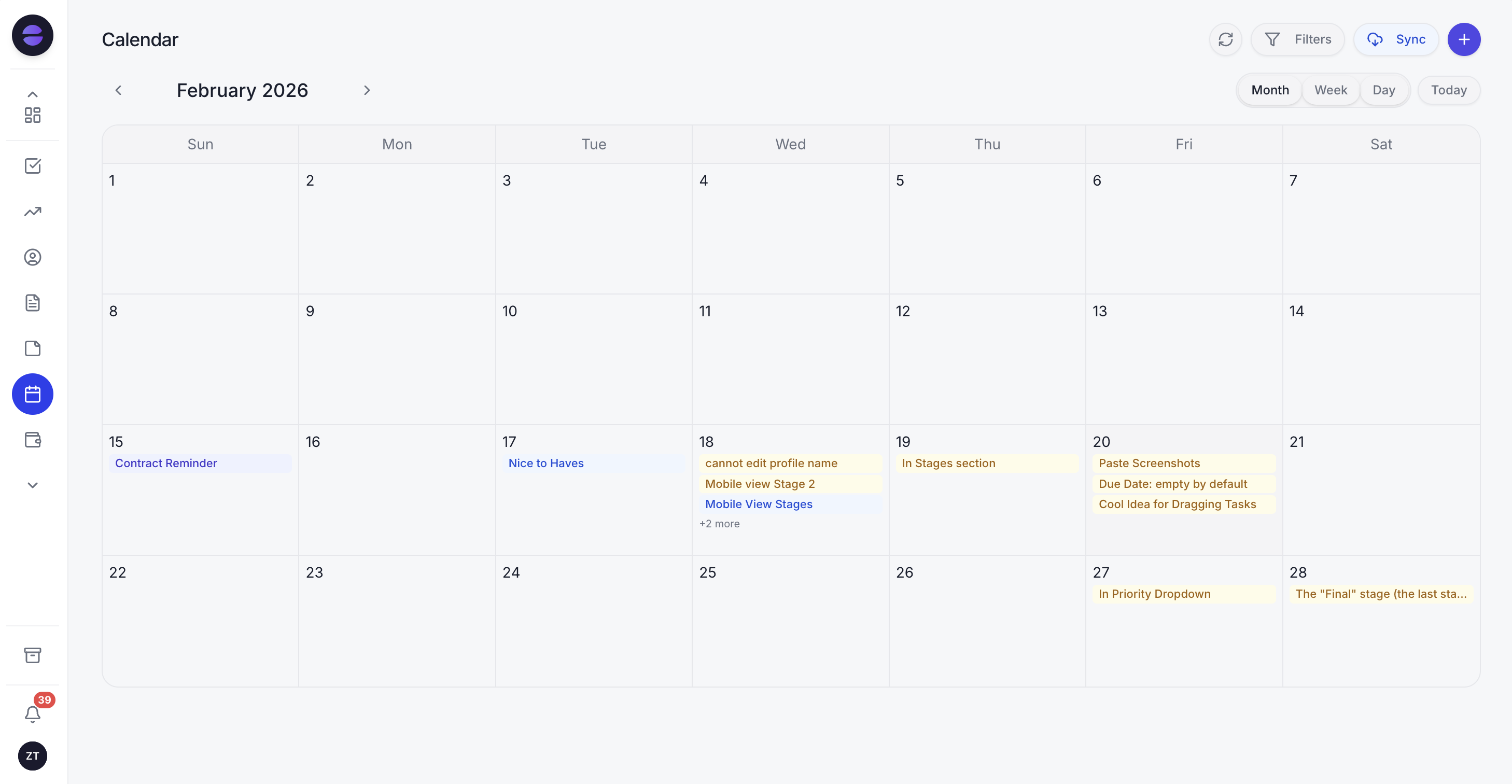
Viewings booked in chat land on the calendar next to the contact and the listing, so the agent sees who is coming and what they already said.
Limits: no IDX search site, no MLS feed, no website chat widget (a click-to-chat button and QR code send visitors to WhatsApp instead), no voice calling bot, and no lead buying.
Pricing (as of October 2026): Almost Free is $5 a month ($4 billed yearly) for 1 member with the core tools, 15 AI prompts a month and the Google integrations; automations are not part of it, so the chatbot features above are not included. Starter is $29 a month ($23 yearly) for up to 10 members, Growth $59 ($47) for up to 20, Scale $119 ($95) for up to 100, and Customize is quoted. AI is not billed per conversation. The pricing page lists what each plan includes.
Best for: solo agents and teams up to a few dozen people whose buyers and sellers message them first.
2. Structurely - an AI ISA for calls, texts and email
Structurely sells AI agents that call, text and email leads, screen calls, live-transfer hot leads and set appointments. It is built for teams that work large lead databases by phone.
Pricing (as of October 2026): the pricing page lists Small Team, Large Team and Enterprise plans, all with "Talk to Sales" instead of a platform fee. Usage is metered and shown "as low as" $0.07 per voice minute, $0.02 per SMS and $0.02 per AI email. Small Team includes 1.5 hours of dedicated support a month and Large Team 5 hours.
Best for: teams with thousands of older leads to re-engage by call and text.
3. Ylopo - lead generation with an AI text and voice assistant
Ylopo combines a branded search site, buyer and seller ads, remarketing and Ylopo AI, an assistant that texts and calls leads, sets appointments and live-transfers calls.
Pricing (as of October 2026): hidden. The pricing page lists Solo, Growing Team and Complete plans with no dollar figures, saying pricing "scales to your market" and pointing to an ROI calculator or a demo. AI text nurture is in Solo; voice starts on Growing Team.
Best for: teams that want leads generated and nurtured by the same vendor.
4. Lofty - an all-in-one platform with an AI Sales Agent add-on
Lofty (formerly Chime) is a CRM, website and marketing platform for agents, teams and brokerages. Its Sales Agent is described as a virtual ISA working around the clock, sold as an add-on alongside a Social Agent and a Homeowner Agent.
Pricing (as of October 2026): hidden. Lofty Agent, Team, Broker and Enterprise all show "Request Pricing", and so do the AI add-ons. The only figures on the page are ad management fees (20% for seller lead generation, 15% for branding ads) and a $70 a month Home Evaluation Page for seller lead generation without an IDX site.
Best for: brokerages that want one vendor for site, CRM, ads and AI.
5. Real Geeks - a lead platform with the clearest public pricing
Real Geeks bundles an IDX website, a CRM and lead packages, with Geek AI Text holding text conversations with leads.
Pricing (as of October 2026): the platform is $399 a month with a $500 one-time setup fee and includes 2 users; extra users cost $25 a month each for users 3 to 10. Social lead packages are $299 a month and search or seller lead packages $599 a month each. Geek AI Text is $49 a month or included with any lead package; Geek AI Email and Voice are listed as coming soon.
Best for: agents who want a website, CRM and bought leads with a known monthly price.
6. Tidio - a general website chatbot you configure for property
Tidio is not built for real estate, but many agencies use it for website chat. Lyro, its AI agent, answers from content you supply, and Flows handle rule-based paths such as "book a viewing".
Pricing (as of October 2026): Free with 50 billable conversations, Starter at $24.17 a month for 100, and the Lyro AI Agent from $32.50 a month for 50 AI conversations. Our best Tidio alternatives review covers when teams outgrow it.
Best for: agencies whose leads mostly arrive through the agency website.
Real estate chatbots side by side
The table compares the six on what decides fit for an agency: where the conversation happens, what the AI does, and whether the price is public. All figures are from the vendors' own pages as of October 2026.
| Tool | Main channels | AI does | Viewing booking | Price shown publicly |
|---|---|---|---|---|
| Zoye | WhatsApp (own number coming soon), Instagram, Facebook | Replies, qualifies into fields, books, hands over | From one Booking list, reminders | Yes: Growth $59/mo, up to 20 members |
| Structurely | Voice, SMS, email | Calls, texts, screens, live-transfers | Appointment setting | Usage only (from $0.02/SMS); platform by quote |
| Ylopo | Text, voice, search site | Nurtures, sets appointments, transfers | Appointment setting | No |
| Lofty | CRM, site, text | Sales Agent add-on as virtual ISA | In the platform | No |
| Real Geeks | Text, IDX site, CRM | Geek AI Text conversations | In the CRM | Yes: $399/mo platform, AI Text $49/mo |
| Tidio | Website widget, messaging | Lyro answers from your content | Through Flows | Yes: from $24.17/mo, Lyro from $32.50/mo |
See what Zoye can do for you
CRM, deals, tasks and your Instagram, Facebook and WhatsApp automations in one workspace. Just ask Zoye and it sets any of it up for you.
Explore FeaturesWhat does a real estate chatbot cost per month?
For a small team, a working real estate chatbot costs between about $25 and several hundred dollars a month in software, plus message fees on WhatsApp or SMS. Lead platforms with built-in AI cost more but include the site and the leads; messaging-first tools cost less but expect you to bring your own enquiries.
Here is an illustrative month for a 3-agent team with 200 new enquiries, using list prices as of October 2026. These are estimates; each vendor counts usage differently, and quoted vendors cannot be estimated at all.
- Real Geeks: $399 for the platform with 2 users, plus $25 for the third user, plus Geek AI Text at $49 or included with a lead package. About $473 before any lead package, plus the $500 setup fee in month one.
- Structurely: usage at $0.02 per SMS means 200 leads at ten texts each is about $40 in messages, plus a platform fee you only learn from sales.
- Tidio: Starter at $24.17 for human chats plus Lyro from $32.50 for 50 AI conversations; 200 AI conversations needs a higher Lyro tier.
- Ylopo and Lofty: quote only; budget a demo call before you can compare.
- Zoye Growth: $59 a month ($47 billed yearly) for up to 20 members, the plan that includes the WhatsApp and Meta automations, with contacts, deals, viewings, reminders and tasks in the same plan. WhatsApp messages carry Meta's per-message charges like any Platform tool, with service replies covered by the 1,000 free service messages per number each month.
The hidden cost in real estate is time spent on maintenance. A rule-based bot with 30 branches per listing type needs someone to update it every time a property goes under offer. An AI bot needs its facts block per listing kept current. Budget an hour a week either way.
Setting up a real estate chatbot in ten days
A small agency can put a real estate chatbot live in about ten working days: three days on facts and questions, two on channels, two on booking and hand-over, and three on testing with real enquiries. Start with one channel and one lead source, prove it, then widen.
Days 1 to 3: facts and questions. Collect the 20 questions buyers, sellers and renters ask most, with your real answers. Write a facts block for each live listing. Write the four qualifying questions for buyers and the seller and renter variants, each with tappable answers. Write the "never" list, including the fair-housing lines above.
Days 4 and 5: channels. Connect the channel where most enquiries arrive: WhatsApp on the official Platform, or Instagram and Facebook through a Page you admin. Route portal and lead-form enquiries to the same place. Our step-by-step on how to create a WhatsApp chatbot covers the WhatsApp side.
Days 6 and 7: booking and hand-over. Set up viewing slots per listing or per agent, with buffers. Decide who receives each type of hand-over (buyer ready now, seller valuation, legal question, complaint) and how fast they must reply. Write the bot's hand-over line honestly: "I am passing you to the listing agent, who usually replies within the hour during the day."
Days 8 to 10: test. Ask three people outside the team to send real-sounding enquiries, including awkward ones: a question the facts block cannot answer, a neighbourhood question the bot must deflect, a request for a person. Read every reply. Fix the source facts, not the single reply.
After launch, read 20 transcripts a week for the first month, and track three numbers: share of enquiries answered within a minute, share that reach a booked viewing or valuation, and time from hand-over to first human reply.
Ready to hand off the busywork?
Zoye brings AI-powered CRM, task management, and automation into one workspace.
Get StartedCommon real estate chatbot mistakes
Most real estate chatbot failures come from setup choices, not software: asking too many questions, answering from stale listings, hiding the agent, or letting qualifying questions drift into personal territory. Each is avoidable with a rule written before launch.
- Asking for a full profile before helping. Answer the question first. Four taps is the limit for buyers; two is enough for a first comment on social.
- Advertising a property that is under offer. If the facts block is stale, the bot books viewings for a home nobody can buy. Update status the moment it changes.
- No visible way to reach a person. Offer "talk to an agent" in the first message and honour it.
- Asking personal questions. Household, origin, religion or health have no place in qualification. Train the bot to hand over, not to probe.
- Breaking Meta's rules. Sending listing alerts outside the 24-hour window without a template, or messaging people who never contacted you, can get a number or account restricted.
- Leads that stay in the chat. A conversation that is not tied to a contact, a stage and a follow-up task is a lead you will lose when the chat scrolls away.
Which real estate chatbot should you choose?
Choose by where your enquiries start and what you already pay for. Teams that buy leads and want them nurtured by the same vendor should look at Real Geeks, Ylopo or Lofty; teams calling large old databases should look at Structurely; agencies whose buyers message on WhatsApp, Instagram or Facebook should pick a tool where the chat and the record are one thing.
- You want a site, a CRM and bought leads at a known price: Real Geeks, with Geek AI Text.
- You want leads generated and nurtured by one vendor: Ylopo or Lofty, after a pricing call.
- You want an AI ISA calling and texting a big database: Structurely.
- Most enquiries arrive on your own website: Tidio with Lyro.
- Buyers and sellers message you on WhatsApp, Instagram and Facebook, and every chat should end in a viewing or a follow-up: Zoye Growth at $59 a month ($47 billed yearly) for up to 20 members, the plan that includes the WhatsApp and Meta automations.
Whichever you choose, run it for two weeks on one channel and count outcomes, not conversations: viewings booked, valuations booked, leads handed over within the hour. That number tells you whether the chatbot is earning its place.
If your buyers and sellers already message you on WhatsApp and Instagram, book a Zoye demo and bring a week of real enquiries to test against.